

The core of pig farming in winter lies in cold prevention and warmth retention, ventilation, feed adjustment, and disease prevention and control. These four aspects are closely interlinked and directly affect the health and growth performance of the herd. The specific precautions are as follows:
I. Implement Cold Prevention and Warmth Retention to Maintain Optimal Temperature
Pigs at different growth stages have varying temperature requirements, which need to be regulated in a targeted manner during winter:
Piglets (Birth to Weaning)
Piglets have poor thermoregulatory ability. The optimal temperature ranges are as follows:
- 30–32℃ for 1–3 – day – old piglets
- 28–30℃ for 4–7 – day – old piglets
- 22–25℃ for 15–30 – day – old piglets
- 20–22℃ for post – weaning piglets
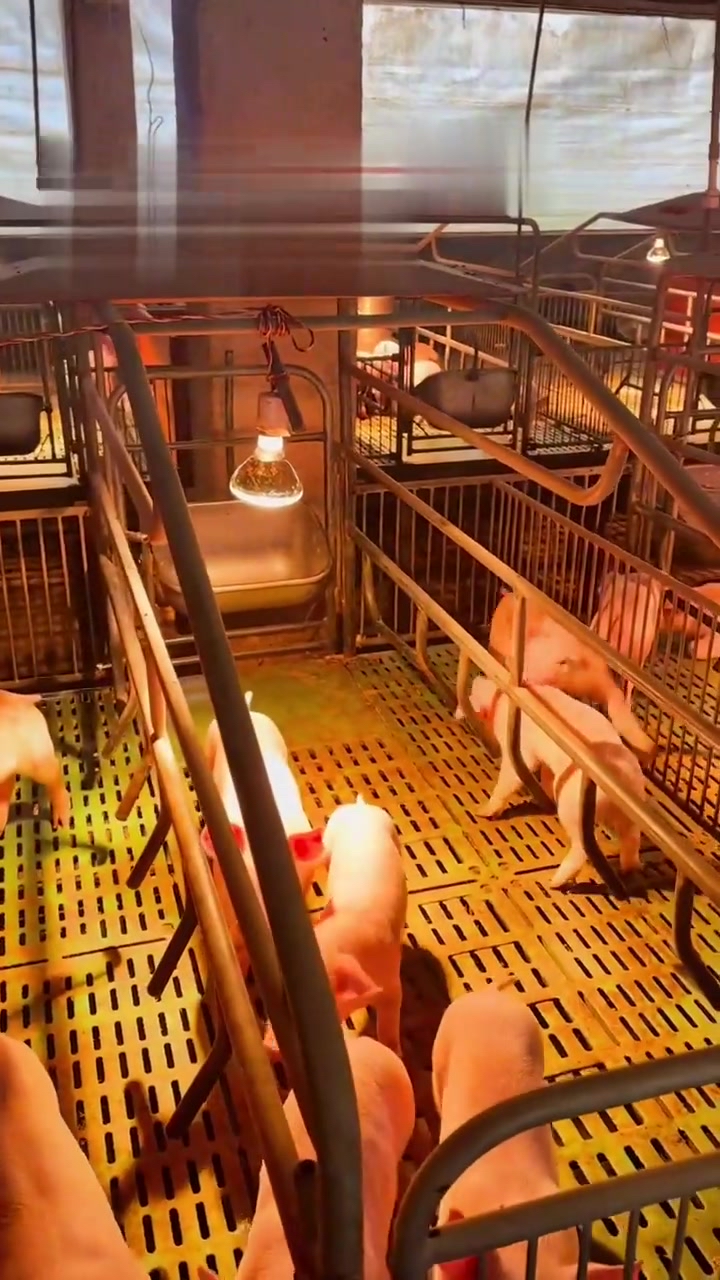
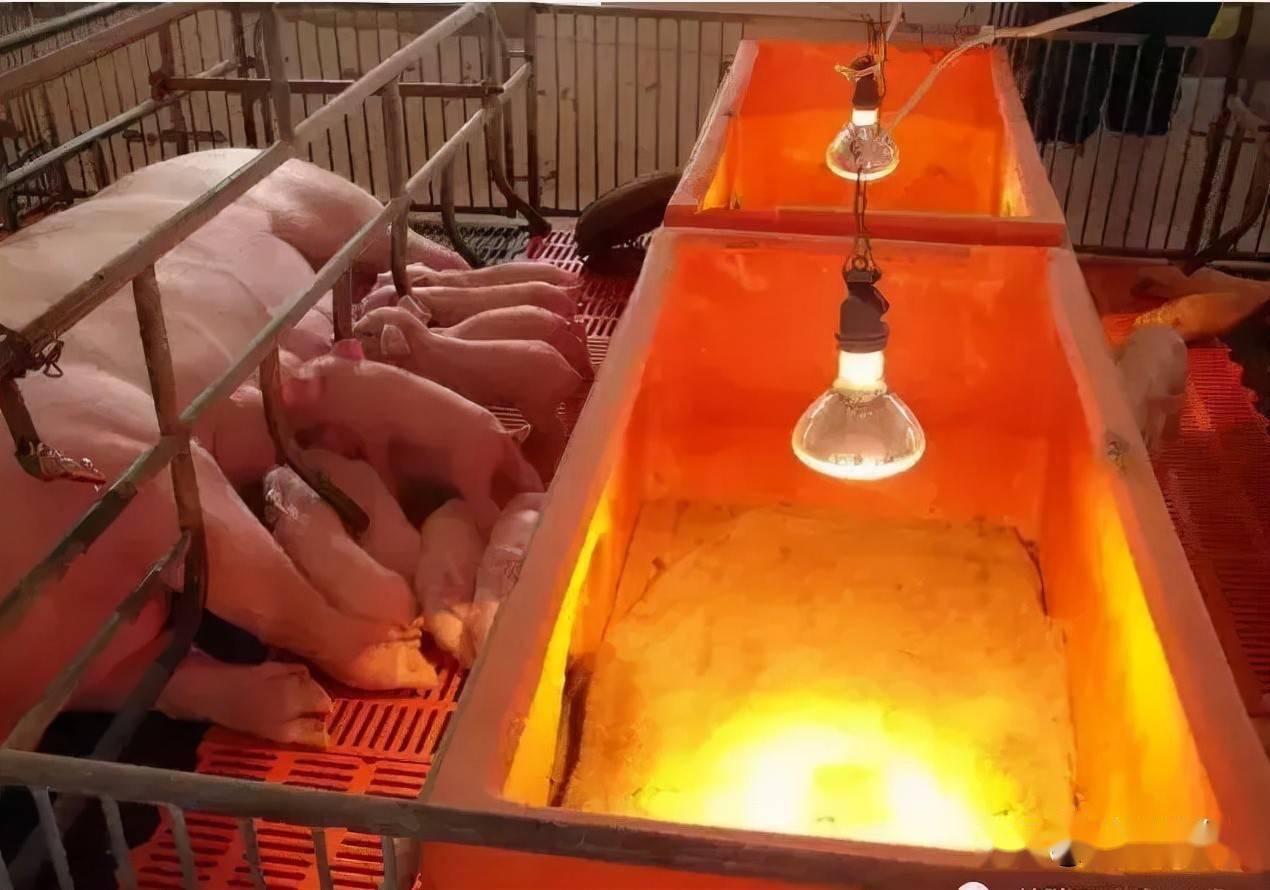
- Insulation boards, electric blankets can be laid in the farrowing house, or infrared heat lamps can be used (hung at a height of 30–40 cm to avoid scalding piglets). Dry bedding materials such as straw and wood shavings should be spread on the floor to insulate against the cold ground.
- Seal all gaps and holes in the farrowing house to prevent draughts, which are a major cause of diarrhea and colds in piglets.
Finishing Pigs and Replacement Gilts
The optimal temperature is 15–20℃. When the temperature drops below 10℃, pigs will increase feed intake but suffer from reduced feed conversion rate and slower growth speed.
The pig house should be enclosed. Plastic films and windproof curtains can be installed on doors and windows; the floor can be treated with hardened insulation or covered with bedding materials.
Pregnant Sows and Lactating Sows
- The optimal temperature for pregnant sows is 18–20℃.
- The optimal temperature for lactating sows is 20–22℃.
- Low temperatures in the lactating sow house will lead to insufficient feed intake and reduced milk production in sows, thereby affecting the survival rate of piglets. Local insulation facilities can be added in the resting areas of sows.
- II. Balance Ventilation to Reduce Concentrations of Harmful Gases in the House
In winter, after the pig house is sealed, harmful gases such as ammonia, hydrogen sulfide, and carbon dioxide tend to accumulate. These gases can irritate the respiratory mucosa of pigs and induce respiratory diseases, so proper ventilation is essential:
Choose the Right Ventilation Time
- Open windows for ventilation during the warmer noon period, 10–20 minutes each time, to avoid cold air blowing directly onto the herd. For nighttime ventilation, micro – ventilation can be achieved through roof vents and ground windows.
Adopt Scientific Ventilation Methods
- Install mechanical ventilation equipment (such as exhaust fans and negative pressure fans) and adjust the ventilation volume according to the humidity and gas concentration in the house. The natural ventilation mode of “upper inlet and lower outlet” can also be adopted to reduce moisture and harmful gases inside the house.
Control Indoor Humidity
- The ideal humidity in the pig house is 60%–70%. Excessively high humidity can easily breed bacteria and molds, and also exacerbate cold stress in pigs. Clean up manure in a timely manner, replace damp bedding, and avoid flushing the pen with water (if necessary, use a small amount of warm water and dry the pen promptly after flushing).
III. Adjust Feed Formulation and Feeding Methods to Meet Energy Requirements
Pigs expend more energy to maintain body temperature in winter, so nutritional supply must be ensured through feed adjustment:
Increase Feed Energy Level
- Properly add high – energy raw materials such as oil and corn to the feed. The energy level of feed for finishing pigs can be increased by 10%–15%. For lactating sows, appropriately increase the feeding amount (1–2 kg more per day than usual) or add galactopoietic additives to the feed to ensure milk production.
Ensure Feed Freshness and Avoid Freezing
- Feed is prone to caking and mold in winter, so it should be stored properly to prevent moisture and deterioration. Feeding frozen feed and drinking water is strictly prohibited, as this can cause gastrointestinal discomfort and diarrhea in pigs.
Adjust Feeding Time and Frequency
- Properly increase the number of feedings (from 2 times to 3 times a day) and choose to feed during warmer periods. A supplementary feeding can be provided at night to reduce nighttime hunger in pigs and improve growth rate.
Provide Warm Drinking Water
- Maintain the temperature of drinking water for pigs at 15–20℃ and avoid icy water. Low – temperature drinking water will increase the heat consumption of pigs and may cause gastrointestinal diseases. Thermostatic drinkers can be installed, or warm water can be replaced regularly.
IV. Strengthen Disease Prevention and Control to Reduce the Risk of Illness
Winter is a high – incidence period for respiratory and digestive diseases in pigs, so comprehensive prevention and control measures should be implemented:
Complete Vaccination on Schedule
- In accordance with the immunization program of the pig farm, timely complete the vaccination of major diseases such as classical swine fever, porcine reproductive and respiratory syndrome (PRRS), pseudorabies, and foot – and – mouth disease. For piglets, ensure the immunization of vaccines against Escherichia coli, porcine epidemic diarrhea (PED), and transmissible gastroenteritis (TGE) to prevent diarrhea.
Enhance Pig House Disinfection
- Regularly disinfect the floors, walls, and equipment of the pig house. Disinfectants such as peracetic acid, sodium hydroxide, and iodophor can be used and alternated to avoid the development of drug resistance in pathogens. Strict disinfection measures should be implemented for personnel entering and exiting the pig farm, and external vehicles and items are prohibited from entering the production area.
Isolate Sick Pigs Promptly
- Immediately isolate and treat any pigs showing symptoms such as coughing, diarrhea, or lethargy to prevent disease transmission. Use drugs rationally during treatment and avoid the abuse of antibiotics.
Minimize Stress Factors
- Try to avoid operations such as group transfer, pen merging, and immunization in winter. If such operations are necessary, take warm – keeping measures in advance and add anti – stress additives such as multi – vitamins and electrolytes to the feed or drinking water.
V. Other Daily Management Points
- Regularly inspect the water, electricity, and insulation equipment of the pig house to prevent sudden temperature changes caused by equipment failure.
- Observe the feeding, drinking, and feces conditions of the herd, and promptly detect and handle any abnormalities.
- Separately raise weak and sick pigs and strengthen nursing care to improve the survival rate.
Post time: Dec-05-2025


