

As autumn arrives, day‑night temperature differences grow significantly, with frequent alternating cold and warm weather. Pigs are highly susceptible to respiratory diseases and parasitic infections during this period. To mitigate farming risks and maintain production capacity,animal husbandry authorities remind pig farmers to seize the critical autumn farming window and implement scientific management practices.
Variable autumn weather easily triggers cold‑heat stress, coughing and diarrhea in pig herds. Farmers should focus on ventilation and insulation of pig barns. Ventilate barns properly in daytime to reduce ammonia levels and humidity. Close doors and windows at night to prevent cold drafts from blowing directly onto pigs and minimize stress caused by temperature swings. Keep pens clean and dry, and carry out regular disinfection to stop pathogens from spreading.
In terms of feeding management, pigs’ appetite recovers as temperatures drop. Farmers may adjust feed nutrition appropriately to improve pigs’ physical condition. Store feed properly against dampness; never feed mouldy feed. Clean drinking‑water equipment regularly to ensure safe feeding.
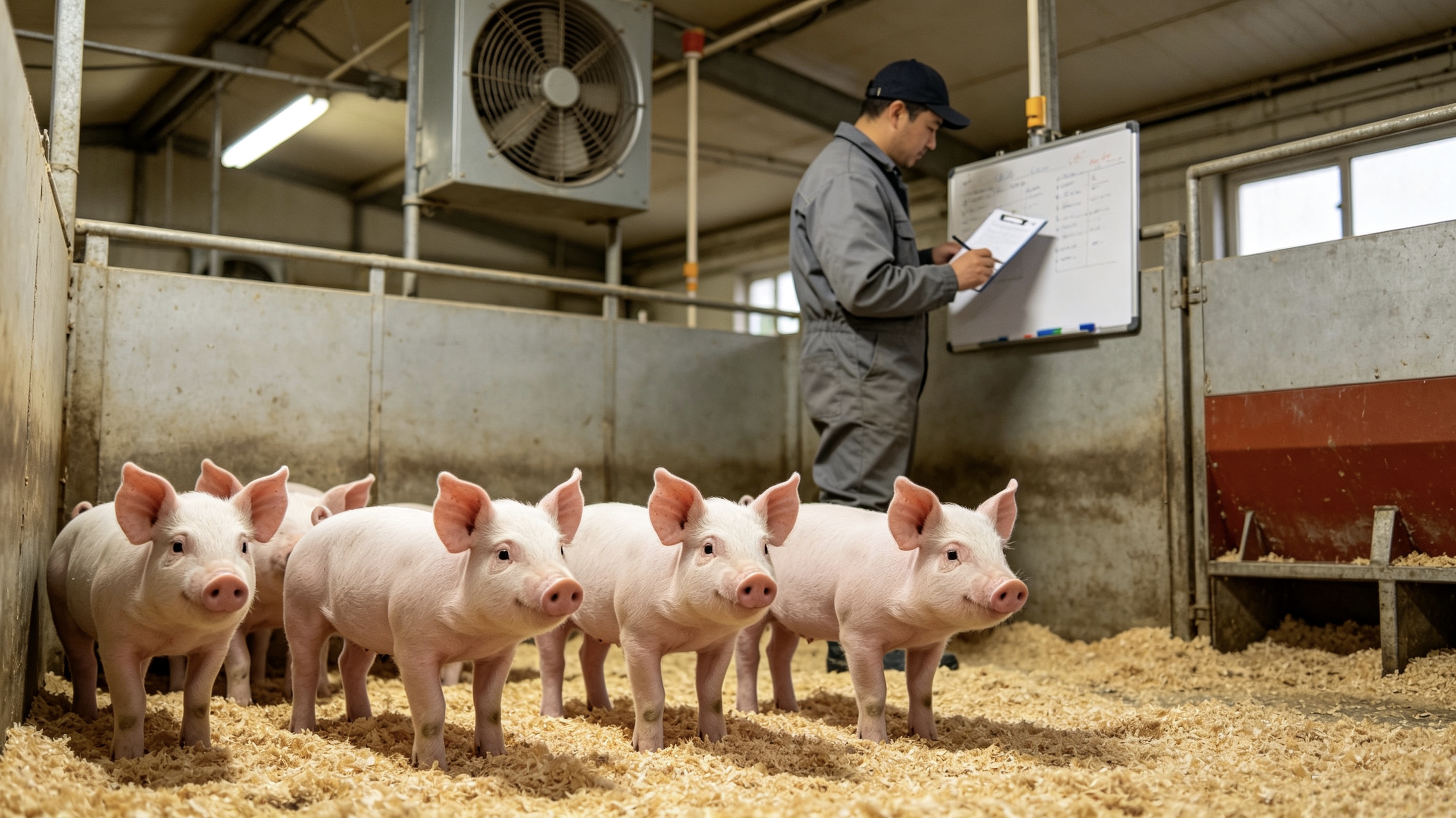
Autumn and winter are key seasons for disease prevention. Local authorities push forward autumn vaccination and deworming campaigns. Farmers are required to conduct routine vaccinations against swine fever, foot‑and‑mouth disease and other major diseases, as well as comprehensive internal and external deworming to boost pigs’ disease resistance. Strict biosecurity measures must be enforced: restrict entry of people and vehicles to strengthen farm biosecurity.
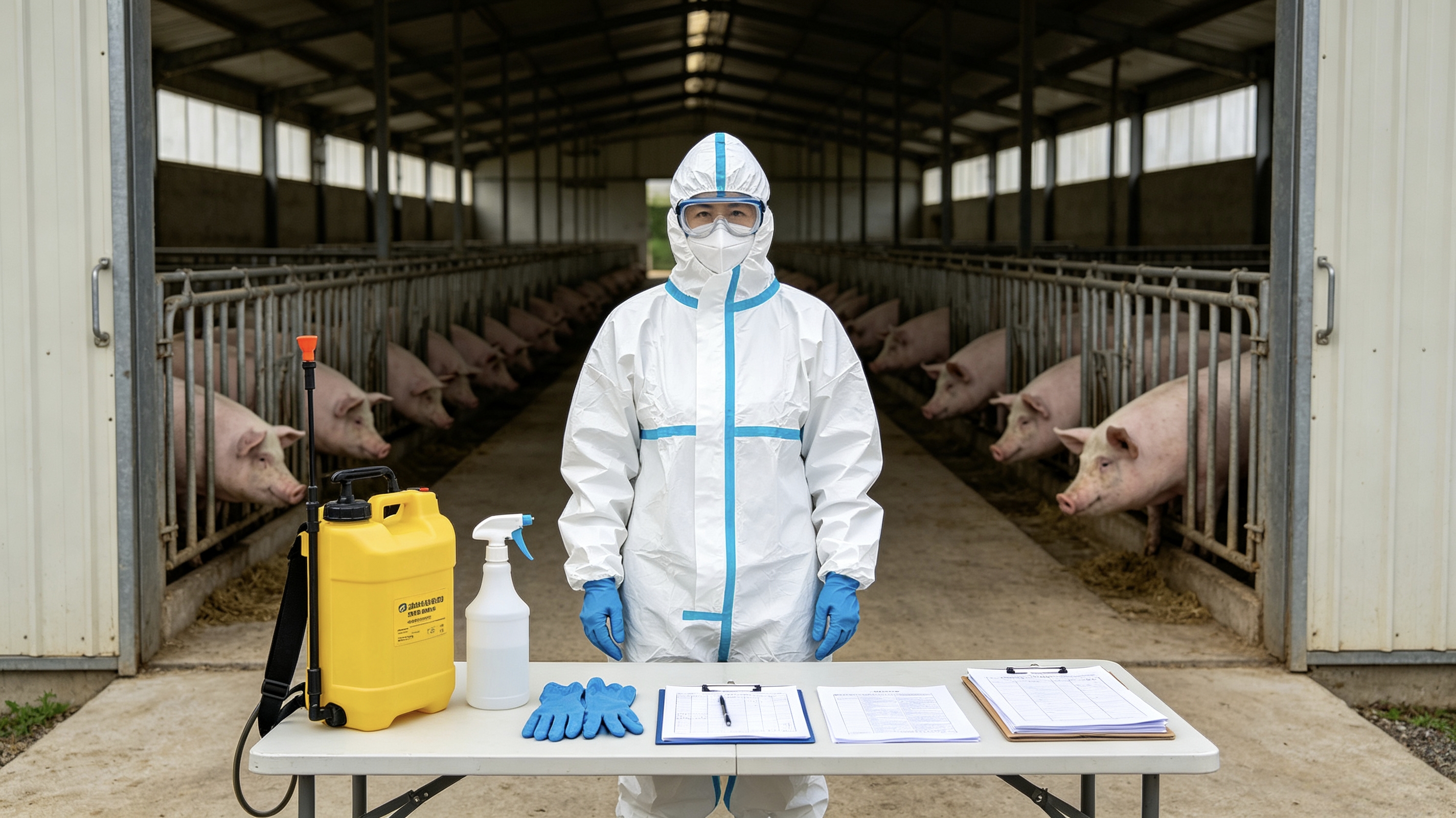
According to animal husbandry technicians, well‑managed autumn farming can effectively improve pig growth performance and lower disease rates, which is vital for sustaining pork output and securing market meat supply. Local authorities will continue to deliver on‑site technical guidance to support the healthy development of the breeding industry.
Post time: Oct-09-2026


