

In July 2026, Typhoon Musak caused a severe flood, severely damaging the core pig production area in Guangxi, resulting in the death of tens of thousands of pigs, extensive damage to pig houses and equipment, a sharp increase in disease risks, and a short-term contraction of production capacity.
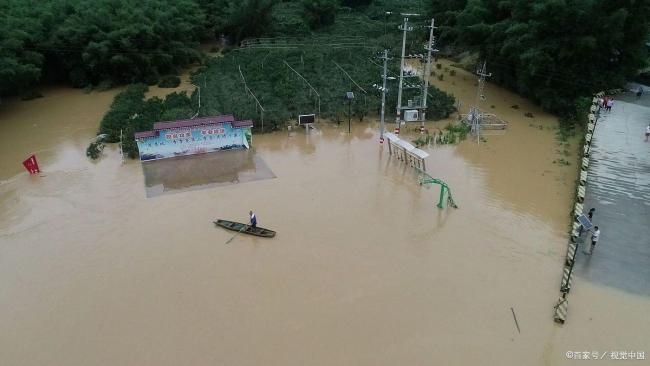
Key Impact Overview
- Direct Casualties: Multiple flooded areas including Binyang, Hengzhou, and Guigang, with deaths ranging from several thousand to tens of thousands in individual incidents (for example, about 4,000 pigs died in Binyang Jinghua Breeding Farm, and 16,000 pigs were washed away in Hengzhou’s one incident). Local herd losses were extremely severe.
- Facility Damage: Cages collapsed, automated feeding/ventilation/electricity systems were submerged and damaged, and some large-scale farms are expected to be unable to resume production within the year.
- Disease Risks: Dead pigs were left behind, the environment was damp and sewage flowed freely, significantly increasing the risk of spread of diseases such as African swine fever and blue ear disease, as well as water pollution.
- Industry Impact: More than half of the top 20 pig enterprises in Guangxi were affected, involving over 14 million pigs in inventory at risk. Although the leading enterprises had insurance coverage or strong anti-risk capabilities, the losses for small-scale farmers and “company + farmer” contract farmers were huge.
Specific Damaged Dimensions
- Pig Inventory and Production: Over 14 million pigs in key production areas such as Nanning, Yulin, and Guigang faced the flood; many pigs that were close to being sold died due to inability to be moved, leading to short-term fluctuations in market supply.
- Assets and Production Capacity: Structural damage to pig houses and equipment, failure of equipment due to water immersion, direct economic losses of individual farms could reach tens of millions (for example, losses of over 10 million yuan for a cooperative farm of De Kang); some areas had water accumulation up to 2 meters deep, and the period for cleaning and resuming production was long.
- Veterinary and Safety: The process of collecting dead pigs was hindered by water depth, resulting in floating phenomena. The government has enforced lockdowns, disinfections, and pushed for deep burial to prevent secondary disasters from the epidemic.
- Economic Chain Reaction: Insurance claims were initiated but losses were determined, and uninsured farmers relied on national subsidies for harmless treatment; after the disaster, demand for feed and veterinary products rose temporarily, but production recovery was slow.
Response and Recovery Status
- Emergency Response: Local governments organized 24-hour monitoring to prevent the spread of dead pigs and coordinated mechanical rescue, professional disinfection, and harmless landfill (the case in Binyang was completed with deep burial on July 11).
- Enterprise Support: Leading enterprises such as Mengyuan, Wenshi, and Yangxiang have donated over 60 million yuan in funds and materials to assist in epidemic prevention, material allocation, and support for resumption of production.
- Policy Guidance: The chairperson of the autonomous region conducted on-site supervision, emphasizing the acceleration of loss determination and insurance claims, strengthening epidemic monitoring and assessment, and promoting the recovery of agricultural production after the disaster.
Although this disaster did not change Guangxi’s long-term status as a major pig-producing province, it exacerbated regional supply shortages and breeding cost pressures in the short term. It is necessary to be vigilant about the secondary impact of post-disaster disease outbreaks on the industry’s resilience.
Post time: Jul-17-2026


