

Winter is a high – incidence period for pig herd diseases. The core inducing factors include low temperatures, poor ventilation inside pig houses, accumulation of harmful gases, and decreased immunity of pigs due to cold stress. Common diseases mainly fall into two categories: respiratory and digestive diseases. The specific types of diseases and comprehensive prevention and control measures are as follows:
I. Common Pig Diseases in Winter and Their Typical Symptoms
(I) Respiratory Diseases
- This category of diseases spreads rapidly and has a high incidence rate in winter. They are prone to mixed infections, making prevention and control quite challenging.
Swine Influenza
- Typical Symptoms: Sudden onset and rapid spread throughout the herd; sick pigs experience a fever of 40–42℃, depression, anorexia, coughing, sneezing, nasal discharge, and difficulty breathing. The course of the disease is relatively short (3–7 days), but secondary infections can easily lead to pneumonia.
- High – risk Groups: Pigs of all ages are susceptible, with finishing pigs being the most commonly affected.
Porcine Mycoplasmal Pneumonia (Asthma)
- Typical Symptoms: Characterized by a dry cough and dyspnea, which worsens in the early morning, at night, or after herding. Sick pigs generally have a normal body temperature, but show slow growth and reduced feed conversion rate. The disease is prone to mixed infections with porcine reproductive and respiratory syndrome (PRRS) and porcine circovirus disease, exacerbating the condition.
- High – risk Groups: Piglets and finishing pigs are susceptible.
Porcine Contagious Pleuropneumonia
- Typical Symptoms: Acute cases may die suddenly; subacute or chronic cases present with fever, coughing, open – mouth breathing, blood – tinged frothy discharge from the mouth and nose, and cyanosis of the skin. The mortality rate is relatively high, and surviving pigs suffer from stunted growth.
- High – risk Groups: Finishing pigs and adult pigs.
Porcine Reproductive and Respiratory Syndrome (PRRS, Blue Ear Disease)
- Typical Symptoms: Pregnant sows experience abortion, premature delivery, stillbirths, or weak piglets; piglets and finishing pigs develop high fever, coughing, difficulty breathing, cyanosis of the ears and extremities, and are prone to secondary bacterial infections.
- High – risk Groups: Pregnant sows and piglets.
(II) Digestive Diseases
- Low – temperature stimulation and frozen feed/drinking water are the main inducing factors, with extremely high mortality rates among piglets.
Porcine Epidemic Diarrhea (PED) and Transmissible Gastroenteritis (TGE)
- Typical Symptoms: Both are acute, highly contagious diseases with similar symptoms. Sick pigs suffer from vomiting and severe watery diarrhea, with yellowish or grayish – white feces. Piglets become dehydrated and emaciated, with a mortality rate of over 90% in piglets under one week old. Finishing pigs and adult pigs show milder symptoms and can recover spontaneously.
- High – risk Groups: Piglets are susceptible, especially those around the weaning period.
Piglet Yellow and White Scours
- Typical Symptoms: Yellow scours mostly affect piglets aged 1–3 days, characterized by yellowish watery feces and high mortality. White scours mainly occur in piglets aged 10–30 days, presenting with grayish – white pasty feces; the incidence rate is high but the mortality rate is relatively low, though it affects piglet growth.
- Inducing Factors: Caused by Escherichia coli infection, it is more likely to occur in winter when pig houses are damp, sanitary conditions are poor, or sows have insufficient milk supply.
II. Comprehensive Prevention and Control Measures for Pig Diseases in Winter
(I) Strengthen Feeding Management to Reduce Stress
Balance Cold Prevention, Warmth Retention and Ventilation
- This is the foundation of disease prevention and control. It is necessary to ensure the temperature inside the pig house meets the required standards (refer to the optimal temperature ranges for pigs at different growth stages mentioned earlier) and conduct ventilation during the warmer noon hours to reduce ammonia and hydrogen sulfide concentrations, thus avoiding irritation to the respiratory mucosa of pigs.
Adjust Feed and Drinking Water
- Increase the energy level of feed and add multi – vitamins and amino acids to enhance the immunity of the herd. Strictly prohibit feeding frozen feed and provide warm drinking water at 15–20℃ to reduce irritation to the digestive tract.
- Strengthen the nutrition of lactating sows to ensure adequate milk supply, thereby reducing the risk of piglet yellow and white scours.
Minimize Herd Changes
- Try to avoid operations such as group transfer, pen merging, and long – distance transportation in winter. If such operations are unavoidable, add anti – stress agents (e.g., vitamin C, electrolytes) to the feed or drinking water in advance.
(II) Enhance Biosecurity to Cut Off Transmission Routes
Strict Disinfection
- Set up a disinfection pool at the entrance of the pig farm (replace sodium hydroxide solution regularly). Personnel entering and exiting the farm must change clothes, undergo disinfection, and take a shower. Vehicles are strictly prohibited from entering the production area and must be disinfected in designated areas.
- Regularly disinfect the floors, walls, and equipment inside pig houses. Alternate the use of disinfectants such as peracetic acid, sodium hypochlorite, etc., disinfecting 2–3 times a week. Increase the disinfection frequency during disease outbreaks, focusing on floors, walls, drinkers, and feed troughs.
- Timely remove manure to keep the pig house dry and reduce the environment for pathogen proliferation.
Isolation and Harmless Disposal
- Newly introduced pigs must be quarantined for more than 30 days and confirmed healthy before being mixed with the herd. Immediately isolate sick pigs in a separate isolation house for treatment to avoid cross – infection.
- Strictly handle dead pigs in accordance with the requirements for harmless disposal (e.g., deep burial, incineration, or rendering). Random disposal is strictly prohibited.
(III) Implement Scientific Immunization to Improve Active Immunity
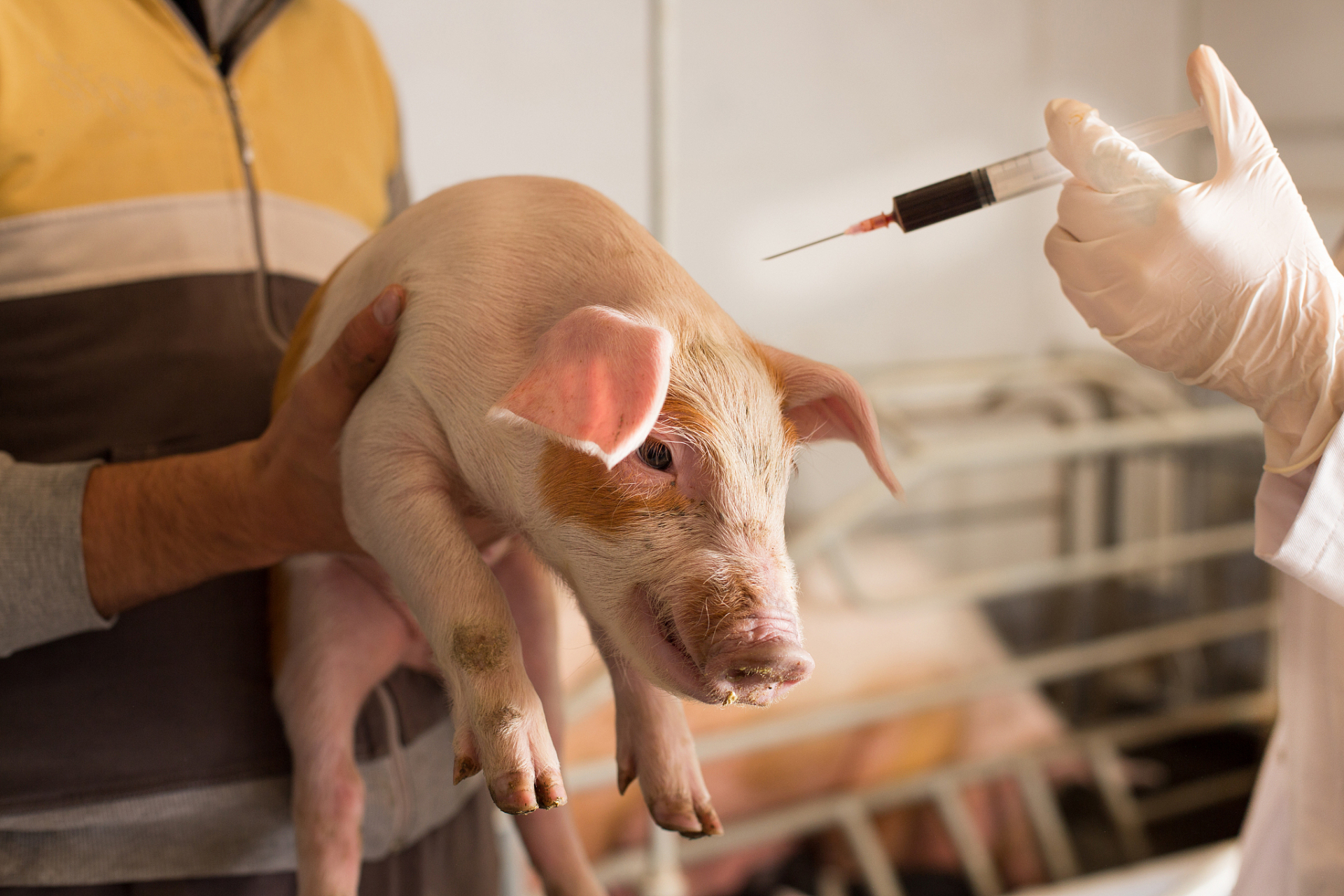
- Formulate a personalized immunization program based on the actual conditions of the pig farm. The recommended core vaccinations are as follows:
Mandatory Vaccines
- Piglets: Classical Swine Fever (first vaccination at 21–28 days of age); Pseudorabies (intranasal vaccination at 7–10 days of age); PED – TGE Bivalent Vaccine (administered to pregnant sows before farrowing, piglets obtain protection via maternal antibodies); Escherichia coli Vaccine (administered to sows before farrowing).
- Finishing Pigs and Sows: Classical Swine Fever, PRRS, Foot – and – Mouth Disease (vaccinated 2–3 times a year); Pseudorabies (regular booster vaccinations).
Selective Vaccines
- If the pig farm has a history of porcine mycoplasmal pneumonia or contagious pleuropneumonia, targeted vaccination against these diseases is required to reduce the incidence rate.
(IV) Rational Drug Prevention to Control Secondary Infections
- During the high – incidence period of diseases, preventive medication can be added to feed or drinking water, but the abuse of antibiotics must be avoided:
- Prevention of Respiratory Diseases: Add drugs such as tilmicosin, tylosin, or florfenicol, combined with traditional Chinese medicine (e.g., Maxing Shigan Powder), for a consecutive 5–7 days.
- Prevention of Digestive Diseases: Add probiotics and montmorillonite powder to the feed of piglets around the weaning period to regulate intestinal flora. Provide oral rehydration salts to prevent dehydration during disease outbreaks.
Post time: Dec-15-2025


