

In recent years, China’s hog breeding industry has accelerated its green transformation. The ecological crop-livestock circular model has been widely promoted, helping the sector move beyond the traditional focus on pollution treatment. It builds an integrated closed loop of breeding, manure recycling and planting, balancing ecological benefits, product quality and industrial returns.
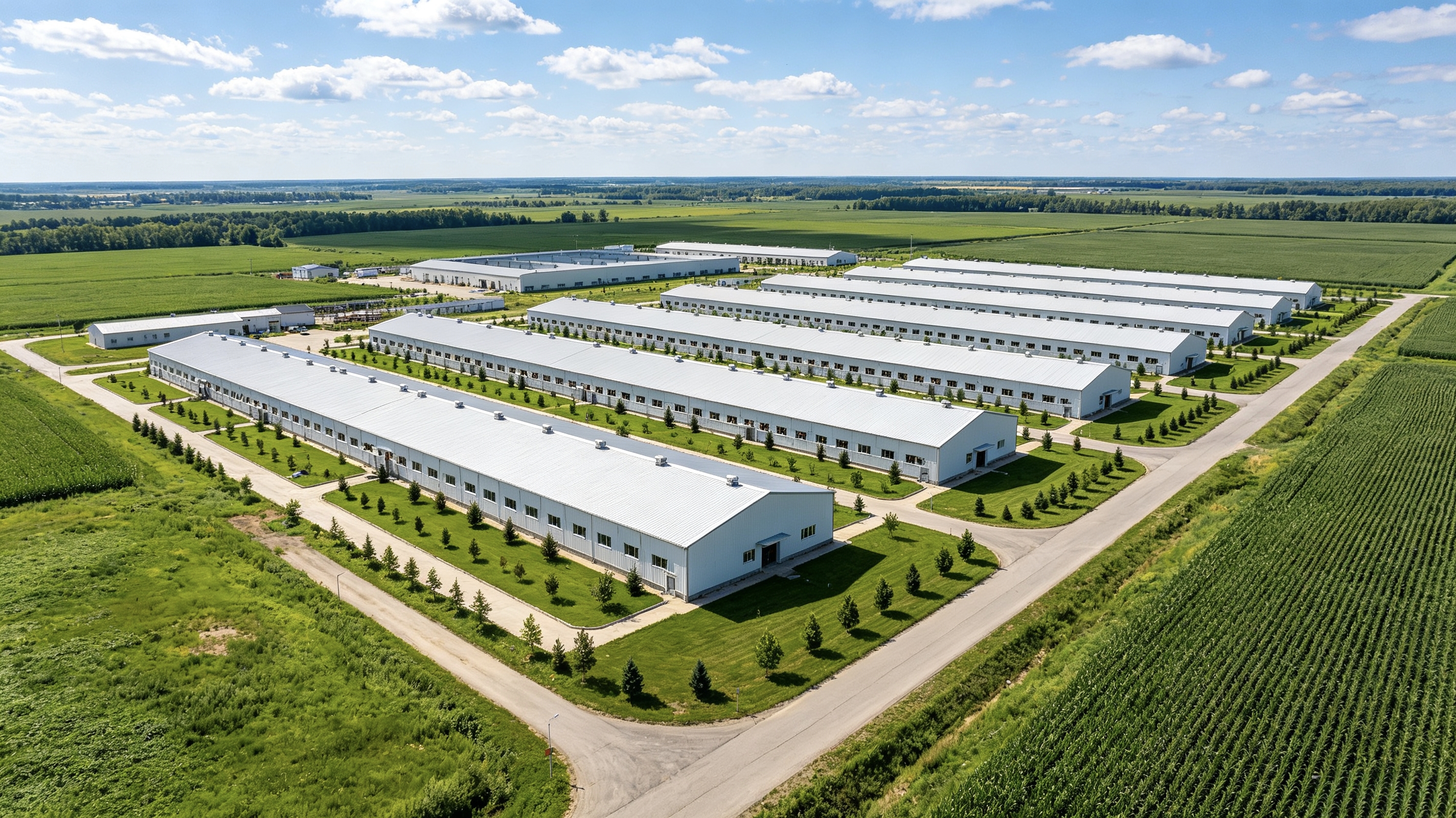
Centered on antibiotic reduction, environmental protection and resource circulation, ecological pig farming differs from intensive conventional breeding. Pig farms are equipped with harmless manure treatment facilities. After solid-liquid separation and microbial fermentation, manure is turned into biogas slurry and bio-organic fertilizer, which is applied to surrounding farmland, orchards and forage bases to replace chemical fertilizers. Crop straw and green forage are further processed into natural feed materials for pig raising, forming an internal resource cycle, greatly reducing non-point source pollution and realizing the recycling of breeding waste.
For breeding management, ecological pig farms also improve the biosecurity system, implement zoning disinfection, separate clean and polluted passages and carry out regular disease monitoring. Intelligent environmental control equipment stabilizes the pig house environment, and scientific nutrition programs are adopted to cut antibiotic usage. Pigs grow healthier with more stable meat quality. Full breeding data is recorded and a product traceability system is established to meet market demand for safe and green livestock products.
The ecological model also drives coordinated development of upstream and downstream industries. Organic fertilizer improves soil quality locally and reduces fertilizer input. Green pork products enjoy higher premium potential, broadening profit channels for farmers and supporting sustainable rural industries. Supporting services including veterinary drugs, nutrition and testing provide compliance support for ecological pig farms.
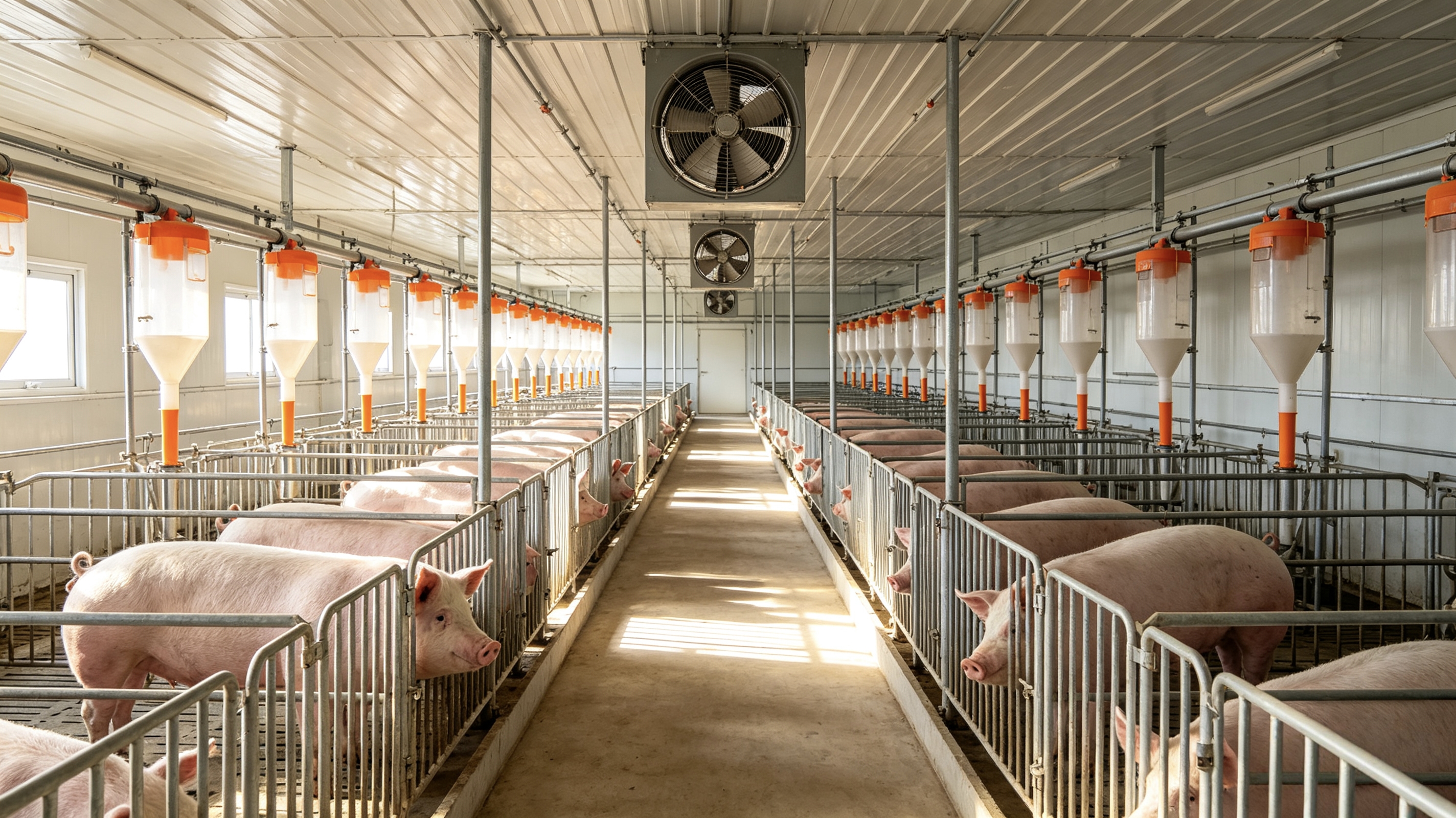
Industry trends show that green, low-carbon and circular development is the long-term direction of the hog sector. Going forward, ecological pig farming will be continuously integrated with standardization and digitalization. Manure treatment processes and biosecurity protocols will be optimized to create low-pollution, high-quality and traceable modern livestock benchmarks. This will guide the hog industry toward a high-quality development path prioritizing ecology, stable production and quality improvement.
Post time: Nov-27-2026


